
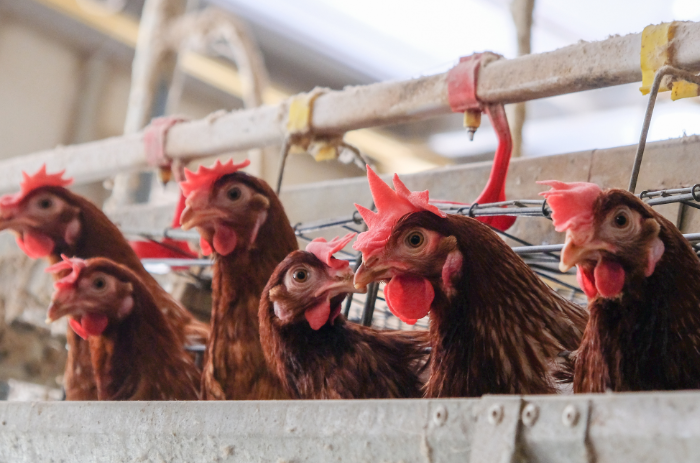
Early Detection of Avian Influenza in Layer and Broiler Chickens: A Critical Step to Protect Poultry Farms
Avian Influenza (AI), commonly known as bird flu, remains one of the greatest threats to the poultry industry. As of mid-2026, animal health authorities continue to strengthen surveillance through routine swab sampling in poultry production areas as part of early detection efforts to monitor virus circulation.
Heightened vigilance toward Highly Pathogenic Avian Influenza (HPAI) H5N1 clade 2.3.4.4b has become increasingly important following the detection of this strain on a poultry farm in Indonesia in April 2022. This situation underscores the importance of implementing an effective early detection system alongside consistent biosecurity measures to prevent disease spread.
For both layer and broiler farmers, Avian Influenza is not only an animal health issue but also a significant threat to business sustainability. Delayed detection of an outbreak can result in massive mortality, flock depopulation, and substantial economic losses.
Why Is Early Detection So Important?
Early detection enables farmers and animal health professionals to implement control measures before the virus spreads to other poultry houses or neighboring farms. The sooner the disease is identified, the greater the opportunity to reduce mortality, prevent further transmission, minimize the number of birds that must be culled, and limit economic losses.
Differences in Risk Between Layer and Broiler Chickens
Layer chickens are kept for a longer production cycle, making them more susceptible to prolonged exposure to the virus. The earliest signs that are often observed include a sudden decline in egg production, deteriorating eggshell quality, and reduced feed and water consumption.
Broiler chickens, on the other hand, have a much shorter production cycle, causing the disease to progress more rapidly when infection occurs. Common clinical signs include sudden high mortality, respiratory distress, and neurological disorders.
Signs of Concern
Farmers should immediately increase their level of vigilance if the following symptoms are observed:
- Torticollis (twisted neck), tremors, or loss of balance.
- Bluish discoloration or swelling of the comb and wattles.
- Diarrhea.
- Reduced feed and water intake.
- A significant drop in egg production in layer chickens.
- Sudden high mortality, particularly in cases of HPAI infection.
Early Detection Methods for Avian Influenza
Monitoring for Avian Influenza involves a series of complementary early detection methods. The first step is daily observation of feed intake, water consumption, mortality, bird behavior, and egg production to identify any abnormalities that may indicate disease.
The Role of Vaccination
Vaccination is one of the key strategies in controlling Avian Influenza. Although it may not completely prevent infection, vaccination can:
- Reduce mortality rates.
- Decrease virus shedding into the environment.
- Minimize economic losses caused by disease outbreaks.
However, vaccination programs should always be supported by strong biosecurity practices and regular flock health monitoring.
The Importance of Biosecurity
Biosecurity serves as the primary defense against the introduction and spread of the AI virus. Essential biosecurity measures include:
- Routine disinfection of poultry houses, vehicles, and equipment.
- Safe litter management.
- Providing feed and water that are protected from contamination.
- Maintaining proper ventilation and appropriate stocking density.
- Conducting regular biosecurity training for all farm personnel.
Early detection of Avian Influenza requires a combination of disciplined daily observation, rapid laboratory diagnostics, and consistent implementation of biosecurity measures.
In layer flocks, a sudden decline in egg production is often the most sensitive early indicator of infection. In broiler flocks, an unexpected increase in daily mortality should immediately raise concern, as the disease can progress very rapidly.
By implementing an effective early detection system, ensuring prompt disease reporting, applying appropriate vaccination programs, and maintaining strict biosecurity practices, poultry farmers can significantly reduce the impact of AI outbreaks and safeguard the sustainability of their farming operations.
You may also like
Biosecurity: More Than Facilities, It Is a Habit T...
In the livestock industry, biosecurity is one of t...
Strengthening Avian Influenza Control Through Vacc...
Strengthening animal health requires not only effe...

Strengthening Indonesia – Philippines Collaboratio...
Vaksindo was honored to welcome a distinguished de...

Vaksindo Contributes to Strategic Dialogue on Acad...
Bogor, Indonesia – Vaksindo participated in the 20...
Vaksindo Launches Strategic Collaboration with BBP...
As part of its ongoing commitment to delivering hi...

Vaksindo Launches V-COVE: Volume 2.0 to Advance Ve...
Vaksindo is proud to officially launch V-COVE (Vak...